Saving Systems, Emergency Funds, and Protecting Cash from Financial Shocks
Saving money is not just about reaching goals—it is about protecting your life from financial chaos. Without savings, even small problems turn into major crises. A car repair becomes debt. A medical bill becomes panic. A job delay becomes a financial spiral. Strong money management requires a structured saving system that shields you from shocks before they cause damage.
This article explains how to build saving systems, why emergency funds are non-negotiable, and how to protect your cash from sudden financial stress.
Why Saving Is a Protection Tool, Not Just a Goal Tool
Many people view savings only as money for future goals like vacations, homes, or investing. While those are important, the first role of savings is protection.
Savings protect you from:
-
Debt during emergencies
-
Financial panic
-
Missed bill payments
-
Credit damage
-
Forced asset sales
Without savings, every emergency becomes a financial threat instead of a temporary inconvenience.
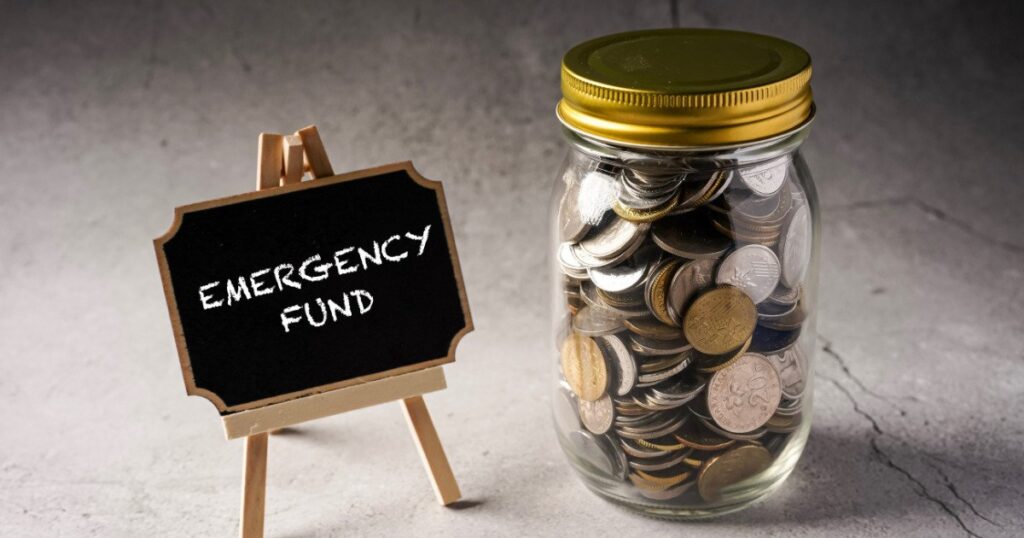
What an Emergency Fund Really Is
An emergency fund is money set aside only for true emergencies:
-
Medical bills
-
Job loss or income interruption
-
Vehicle breakdowns
-
Urgent home repairs
-
Essential family emergencies
It is not for:
-
Shopping
-
Entertainment
-
Lifestyle upgrades
-
Speculative investing
-
Non-urgent purchases
When emergency funds are used casually, their protective power disappears.
How Much Should an Emergency Fund Be?
A basic emergency fund target is:
-
3 to 6 months of essential living expenses
This includes:
-
Housing
-
Utilities
-
Food
-
Insurance
-
Transportation
-
Minimum debt payments
For irregular income earners, freelancers, or single-income households, larger emergency reserves offer additional stability.
Why Emergency Funds Must Come Before Investing
Many people rush into investing without emergency protection. When an unexpected expense arrives, they are forced to:
-
Sell investments at bad times
-
Lock in losses
-
Break long-term plans
-
Accumulate high-interest debt
Emergency savings protect investments from being treated like emergency cash.
Building a Saving System That Actually Works
Saving works best when it is:
-
Automatic
-
Separate
-
Consistent
-
Protected from impulse access
The most effective saving system includes:
-
Automatic transfers on payday
-
Dedicated savings accounts
-
No debit card access to emergency funds
-
Small but consistent contributions
Saving what is “left over” rarely works. Saving first works almost always.
The Power of Small, Consistent Saving
Many people delay saving because they feel their contributions are “too small.” In reality:
-
Saving $10–$20 per week builds powerful discipline
-
Consistency matters more than size
-
Habits compound just like money
-
Small systems become large reserves over time
Waiting for the “perfect time” to save often means never saving at all.
Sinking Funds: The Secret to Stress-Free Money Management
Sinking funds are mini-savings accounts for expected future expenses. These include:
-
Car maintenance
-
Insurance premiums
-
Holidays
-
School costs
-
Medical expenses
-
Professional fees
Instead of being surprised by irregular costs, you prepare for them gradually. Sinking funds transform predictable expenses into stress-free transactions.
Why Savings Should Be Hard to Access (But Not Impossible)
Easy access encourages impulsive withdrawals. Strong saving systems use:
-
Separate banks
-
Online-only savings
-
Transfer delays
-
No cards attached
This small friction creates powerful protection. You still access your money when necessary—but not emotionally.
What Happens When You Have No Savings
Without savings:
-
Credit cards become emergency funds
-
Loans become survival tools
-
Interest becomes punishment
-
Debt becomes permanent
-
Stress becomes daily
Savings turn emergencies into temporary challenges instead of lifelong burdens.
The Psychological Power of Emergency Savings
Emergency funds don’t just protect money—they protect your mind. When savings exist:
-
Anxiety drops
-
Confidence rises
-
Decision-making improves
-
Financial fear decreases
-
Long-term planning becomes easier
This mental stability is one of the most undervalued financial benefits.
Why Many People Fail at Saving
Common saving killers include:
-
Emotional spending
-
Comparing lifestyle to others
-
Lifestyle inflation
-
Lack of automation
-
Viewing savings as “optional”
-
Treating savings as spending
Saving succeeds only when it is treated as non-negotiable.
Protecting Savings from Inflation
Short-term savings prioritize safety over growth. However, letting large cash reserves sit long-term without strategy can quietly lose value to inflation.
The key distinction is:
-
Emergency savings: Safety first
-
Long-term savings: Strategic growth planning
Mixing these two purposes often creates confusion and inefficiency.
When to Start Investing After Saving
Once emergency savings are stable and high-interest debt is controlled, excess income becomes available for:
-
Investing
-
Long-term wealth building
-
Retirement preparation
Saving and investing are partners—not competitors.
Common Emergency Fund Mistakes to Avoid
Avoid these damaging behaviors:
-
Investing emergency funds
-
Lending emergency savings
-
Using emergency funds for luxury spending
-
Forgetting to replenish after use
-
Ignoring changes in expense levels
Emergency funds must adapt as your life changes.
Final Thoughts
Saving systems and emergency funds are the shock absorbers of your financial life. They do not exist to make you wealthy—they exist to keep you stable, calm, and debt-free when life becomes unpredictable. Without them, money management becomes reactive and stressful. With them, money management becomes structured and resilient.