Market News
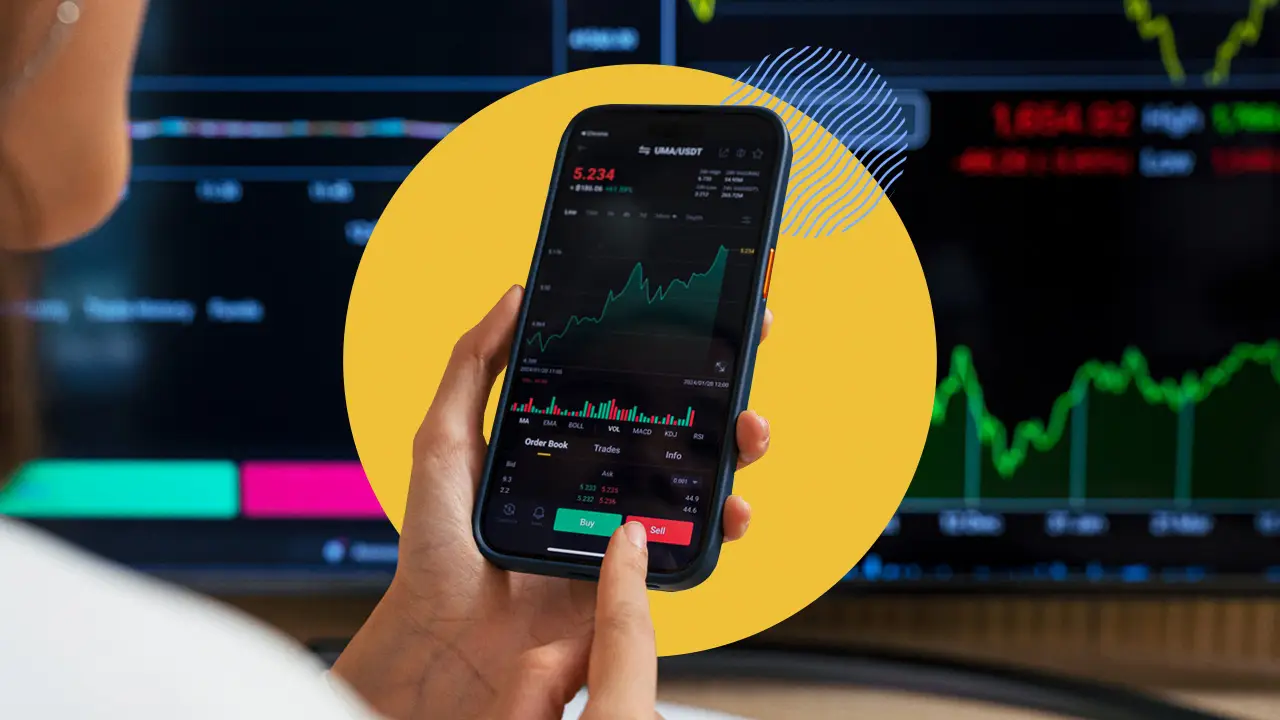
Global Stock Markets Explained: How Everyday News Moves Financial Markets
Financial markets react to news every second of every trading day. A single headline can send stock prices rising, crashing, or swinging wildly within minutes. For many people, these movements feel confusing, unpredictable, and intimidating. Yet behind every market shift is a logical chain of cause and effect driven by economics, expectations, and global events. […]
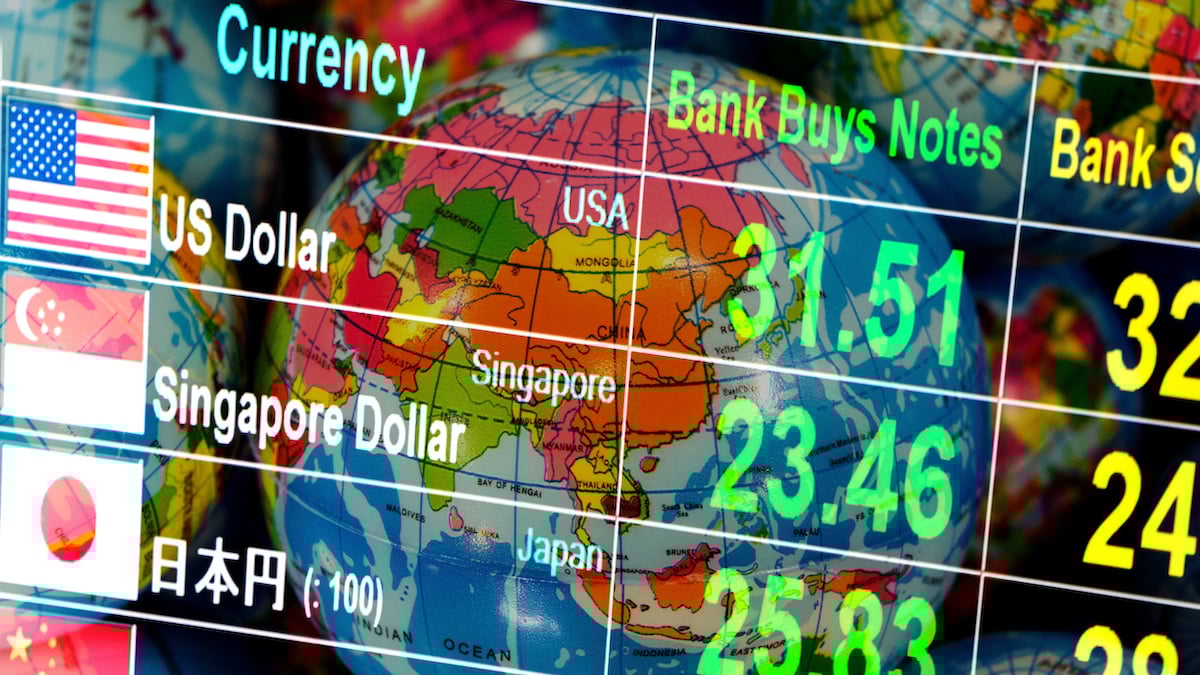
Currency Markets and Exchange Rates Explained: Why Global Money Moves So Violently
Every second of every day, trillions of dollars move through the global currency market. This market—often called the foreign exchange (forex) market—is the largest and most liquid financial market in the world. Unlike stock markets, there is no central exchange for currencies. Trading happens continuously across banks, institutions, governments, and private investors worldwide. Yet despite […]
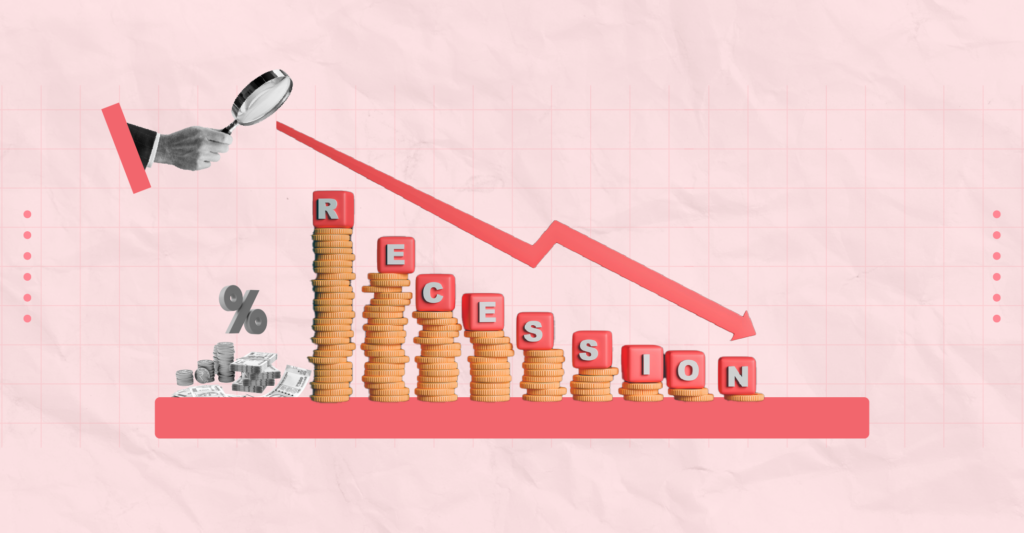
Recessions and Economic Slowdowns Explained: How Markets React Before, During, and After Downturns
Few words in finance create more fear than recession. Markets drop, companies freeze hiring, layoffs rise, and consumers pull back spending. But recessions are not random disasters—they follow predictable economic patterns. Financial markets often react long before a recession is officially declared, and they usually begin recovering before the public feels relief. Understanding how recessions […]
Interest Rates and Inflation Explained: Why Central Bank Decisions Dominate Financial Headlines
When financial news breaks, two words appear again and again: interest rates and inflation. Markets often surge or crash within minutes of central bank announcements. Borrowing costs rise, currencies move, housing slows, stock prices swing—and everyday consumers feel the impact through loans, savings, and prices at the store. Yet most people hear these headlines without […]